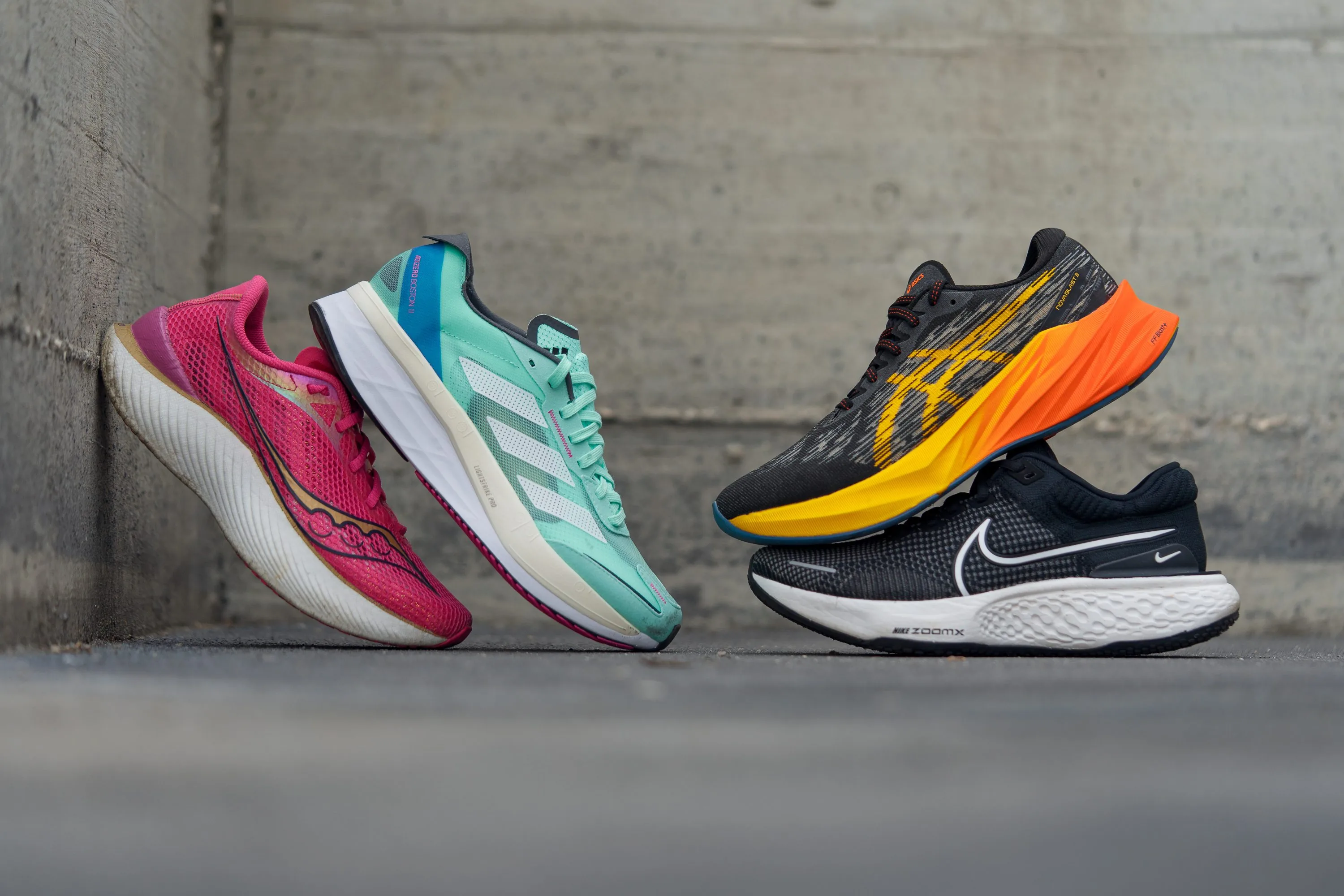
In an era of "super shoes" with 40mm carbon-plated foam, a growing community of runners is moving in the opposite direction. Minimalist running isn't just a trend; it’s a return to biological basics. If you've been feeling disconnected from your stride, it might be time to look at what’s happening—or not happening—inside your shoes.
The Problem with Modern "Coffins"
Most traditional running shoes are shaped like coffins: narrow at the toes and elevated at the heel. This design ignores the natural anatomy of the human foot, leading to:
- Atrophied Foot Muscles: When the shoe does all the work, the 29 muscles in your foot stop firing.
- Sensory Deprivation: Thick foam mutes the feedback your brain receives from the ground, often leading to harder heel strikes.
- Altered Alignment: Elevated heels (high drop) shift your center of gravity, putting unnecessary strain on the knees and lower back.
The Three Pillars of Minimalist Footwear
If you are looking to transition, you need to look for three specific technical features:
1. Wide Toe Box (Foot-Shaped)
Your toes should be able to splay naturally. A wide toe box allows the big toe to act as a stabilizer, providing a more powerful "push-off" and better balance, especially on technical trails.
2. Zero Drop
A "Zero Drop" platform means the heel and the forefoot are at the same distance from the ground. This mimics being barefoot, encouraging a midfoot or forefoot strike which naturally uses the Achilles tendon and calf muscles as shock absorbers.
3. Thin, Flexible Outsoles
Ground feel (proprioception) is the secret sauce. A thin sole allows your brain to "map" the terrain in real-time. This awareness allows for micro-adjustments in your gait, reducing the risk of rolled ankles and improving overall agility.
How to Transition Without Getting Injured
You cannot switch from maximalist cushions to barefoot sandals overnight. Your tendons need time to adapt to the new load.
- The 10% Rule: Start by wearing minimalist shoes for walks or short 1km runs. Increase your volume by no more than 10% per week.
- Focus on Cadence: Aim for a higher step frequency (around 170-180 bpm). Shorter, quicker steps reduce the impact force on each strike.
- Listen to Your Calves: You will feel the burn in your lower legs. This is normal—it’s your muscles finally waking up. Rest and recovery are non-negotiable during this phase.
Conclusion
Minimalist running is about quality over quantity. It’s about building a stronger, more resilient foundation from the ground up. While it requires patience and a "re-learning" of your gait, the reward is a more natural, connected, and ultimately more sustainable way to run.