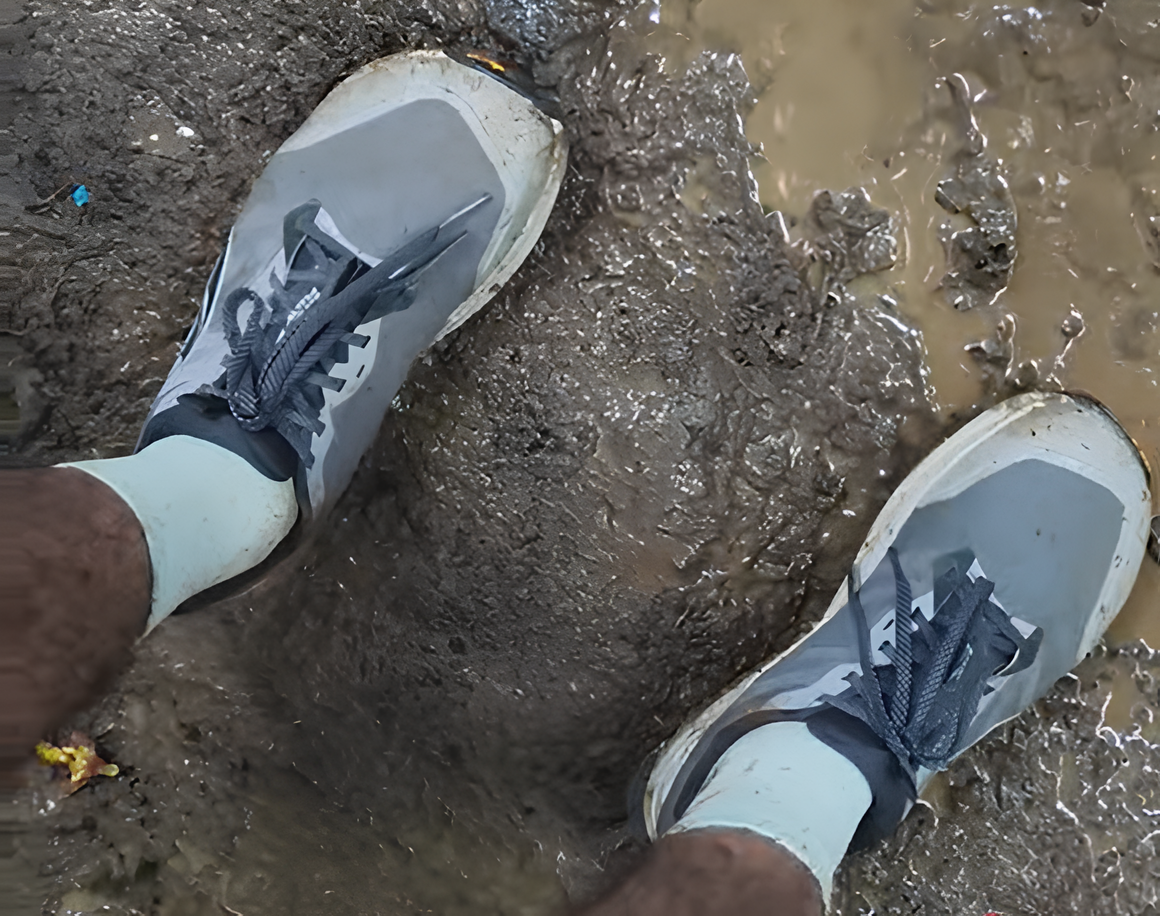
When it comes to Altra, the Lone Peak series is like a comfort zone for many trail runners looking for maximum toe room and a pure zero-drop sensation. I recently picked up the latest iteration, the Lone Peak 9+, and on May 3rd, I took them out on the dirt for the first time. For their maiden voyage, I tested them over 26.4 km with 2,200 m of Elevation Gain (EG).
Overall? I really liked them. This shoe manages to maintain its original DNA while providing some cool tweaks for technical routes. However, like any low-profile shoe straight out of the box, there's a price to pay when taking them on long distances.
Let's break down the details.
Quick Specs
- Weight: Around 314g (standard men's size). Still quite decent; they don't feel heavy even when climbing thousands of meters.
- Stack Height: 25 mm in the heel, 25 mm in the forefoot.
- Drop: 0 mm (Altra's signature Balanced Cushioning).
- Midsole: Altra EGO™ foam.
- Outsole: Vibram Megagrip rubber.
- Fit Profile: Original FootShape™ Fit (Altra's widest toe box).
- Protection: Includes a StoneGuard™ (rock plate) sandwiched inside the midsole.
Fit & Feel: First Impressions on Foot
Altra's signature comfort immediately greeted my feet. Thanks to the Original FootShape™ profile, my toes could splay naturally with every step. There was no such thing as pinky toe blisters, even after hours of intense climbing and descending.
The character of the Altra EGO™ foam is also interesting: fairly bouncy yet still providing a firm sensation. It's not so soft that your feet sink in, but rather responsive enough to provide a forward propulsive feel.
However, since this was truly the first run, one thing stood out: the heel area felt quite stiff. For those of you who just bought them, don't be surprised—this is normal. This shoe seems to need a break-in period of about 30-50 km before the heel counter material truly softens and hugs the heel comfortably. During my 26 km run yesterday, the stiffness in the heel was quite noticeable.
How They Run: Great on Technical Routes, But...
Once I hit the trails, the ground feel of these shoes was truly top-notch. You can feel exactly the contour of the soil, root systems, and small pebbles beneath your feet. The result? Every footstrike feels far more stable and confident. When tackling technical descents or sharp rocky paths, the internal rock plate (StoneGuard™) worked excellently to prevent rock stabs from bruising my soles.
But here lies the main challenge.
With a route of 26.4 km and 2,200 m of elevation gain, the 25 mm stack height really tests your foot strength. As the distance grew and fatigue set in, the soles of my feet began to feel a bit sore. These shoes don't coddle you with thick layers of foam. As a result, your foot muscles are forced to work extra hard to dampen the impact. If your feet aren't strong enough or aren't used to minimalist cushioning for mid-to-long distances, be prepared to feel extra fatigue afterward.
Conclusion
What I Liked:
- The foam character is quite bouncy yet firm, ensuring no energy is wasted during uphill runs.
- Very satisfying ground feel. The control and stability on technical terrain are spot on.
- The rock plate is highly effective at protecting the soles from sharp rocks.
What I Disliked:
- The thin midsole caused some soreness in the soles after an immediate 26 km run. This shoe truly demands strong foot muscles.
- The heel felt quite stiff on the first run; it requires patience for the break-in process.
For those looking for a nimble, stable trail shoe with a natural feel for training or racing, the Lone Peak 9+ is a solid choice. But if you intend to use them for long runs or even ultras, make sure your foot muscles are ready for a bit of a beating, and don't forget to give the shoes time to break in!