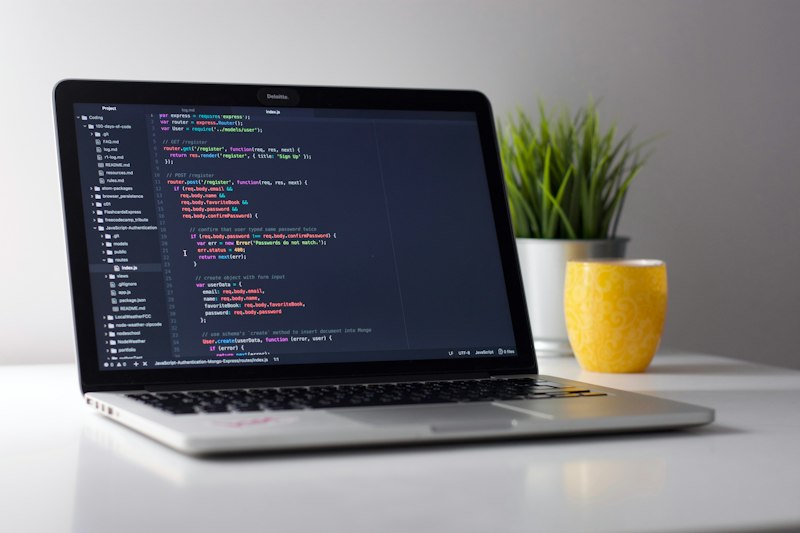
As developers, we face constant interruptions: Slack notifications, meeting invites, code reviews, and the temptation to check social media. Cal Newport's concept of "deep work"—focusing without distraction on cognitively demanding tasks—is the antidote.
What is Deep Work?
Deep work is professional activities performed in a state of distraction-free concentration that push your cognitive capabilities to their limit. For developers, this means:
- Complex problem-solving
- Algorithm design
- Understanding intricate codebases
- Learning new technologies
- Writing quality code
The result? Higher quality output, enhanced problem-solving, and faster skill acquisition.
The Science Behind Focus
When you multitask, your brain incurs a "context-switching tax"—it takes an average of 23 minutes to regain full focus after an interruption. If you're interrupted 10 times a day, that's nearly 4 hours of lost productivity!
Research shows that developers are most productive during long, uninterrupted coding sessions. Deep work enables:
- Better retention of complex logic
- Fewer bugs due to sustained attention
- More creative solutions to problems
Creating Your Deep Work Environment
1. Block Out Dedicated Time
Schedule 2-4 hour blocks for deep work, ideally during your peak energy hours (typically mornings for most people). Treat these blocks as sacred—no meetings, no interruptions.
2. Create a Distraction-Free Zone
- Turn off all notifications
- Close email and Slack
- Use noise-canceling headphones
- Enable "Do Not Disturb" mode
- Close unnecessary browser tabs
3. Establish Rituals
Create a pre-work routine that signals to your brain it's time to focus:
- Make your favorite drink
- Put on specific music (lo-fi, ambient, or whatever works for you)
- Clear your desk
- Review your goals for the session
4. The "Wired Mode" Technique
Some developers use visible signals like wearing headphones even without music to indicate they're in deep focus. This helps colleagues understand you shouldn't be interrupted.
Time Management Techniques
The Pomodoro Technique
Work in focused 25-minute bursts, followed by 5-minute breaks. After four "pomodoros," take a longer 15-30 minute break. This maintains focus while preventing burnout.
Time Blocking
Schedule every hour of your workday:
- 8:00-10:00: Deep work (feature development)
- 10:00-10:15: Break
- 10:15-11:00: Code review and communication
- 11:00-12:00: Deep work (debugging)
"Eat That Frog"
Tackle your most important (and often most difficult) task first thing in the morning before easier tasks distract you.
Tools That Help
| Tool | Purpose |
|---|---|
| Forest | Gamifies focus by growing virtual trees |
| RescueTime | Tracks time spent on applications |
| Freedom | Blocks distracting websites |
| Clockify | Tracks time on projects |
| VS Code Zen Mode | Hides UI elements for focus |
The Shutdown Ritual
End your workday with a ritual:
- Review what you accomplished
- Note incomplete tasks for tomorrow
- Check calendar for tomorrow's commitments
- Say "shutdown complete" (or your own phrase)
This signals to your brain that work is done, preventing evening rumination.
Dealing with Meetings
Meetings are the enemy of deep work. Strategies:
- Advocate for "No Meeting Wednesdays"
- Block focus time on your calendar
- Decline or reschedule non-essential meetings
- Batch meetings together to protect large time blocks
The 10,000 Hour Myth—Debunked
It's not just about hours—it's about deliberate practice during focused time. One hour of deep work is worth several hours of distracted work.
Practical Steps to Start Today
- Tomorrow: Block 90 minutes in your calendar for deep work
- This week: Install a website blocker and identify your peak focus hours
- This month: Establish a pre-work ritual and shutdown routine
- Ongoing: Track your deep work hours and aim to increase them
Remember: Deep work is a skill that improves with practice. Start small, be patient, and watch your productivity transform.